


Widex has rolled out the Allure AI RIC R D, a rechargeable receiver-in-canal device that refines amplification on the fly using machine learning. Rather than locking you into a static program, the Allure AI observes how you adjust volume and tone in different environments—cafés, busy offices, quiet living rooms—and nudges its own settings toward your habits. The result is a hearing aid that quietly becomes more yours the longer you wear it.
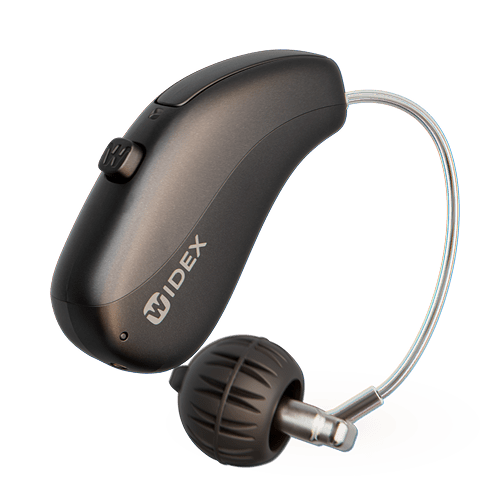
SoundSense Adapt: the hearing aid that remembers
At the heart of the Allure AI sits SoundSense Adapt, Widex's machine-learning engine. When you reach for your phone to tweak treble in a restaurant or dial back volume on a windy pavement, the device logs the context—ambient noise, speech levels, even time of day—and begins to anticipate. Over days and weeks those manual adjustments fade because the aid has already moved in the direction you prefer. Widex says the system can offer real-time parameter suggestions during wear, so you approve or dismiss changes without visiting the clinic.
Battery life that lasts a working day—and then some
The rechargeable lithium-ion cell is rated for 37 hours of typical use, enough to cover a long shift, a theatre evening and the commute home without hunting for a charger. A short top-up in the portable charging case adds hours if you forget to dock overnight. Because the case itself holds reserve power, you can recharge on a weekend trip without wall sockets.
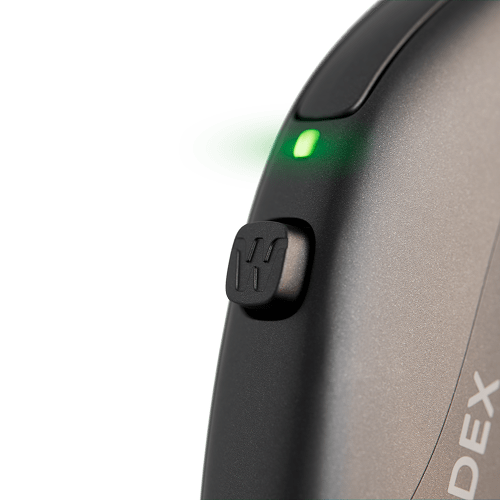
TruAcoustics: sound shaped to your ear canal
Every ear canal has its own acoustics—length, diameter, bends—that colour incoming sound. TruAcoustics uses an in-situ measurement to map your canal's resonance, then adjusts amplification so speech clarity stays natural rather than tinny or muffled. The calibration happens once during fitting, but the benefit persists every time you insert the aid: frequencies land where your brain expects them.
The Allure AI observes how you adjust volume and tone in different environments and nudges its own settings toward your habits.
Who the Allure AI suits
The RIC R D configuration works for adults with moderate to severe sensorineural hearing loss who want rechargeable convenience and are comfortable using a smartphone app for fine-tuning. If you move between quiet home offices and noisy job sites—or simply dislike the idea of programming presets for every conceivable setting—machine learning makes more sense than static programs. The receiver-in-canal form balances power with a smaller behind-the-ear case, so it's less conspicuous than a traditional BTE while still driving enough gain for pronounced high-frequency loss.
What it means for Wickersley patients
We stock the Allure AI RIC R D and can walk you through a live demonstration during any hearing assessment. Because the device learns from real-world use, the first fitting is only the starting point; most wearers notice the sound becoming more comfortable within a fortnight as the algorithm settles. We programme TruAcoustics measurements in-clinic and show you how to approve or dismiss SoundSense suggestions on your phone, so you stay in control even as the aid adapts. If you've tried older hearing aids and found the pre-set programs frustrating—restaurant mode that's too bright, TV mode that's too soft—machine learning may finally feel intuitive.


