

Summer in South Yorkshire can be a mixed bag, but when the warm weather does arrive it brings a few challenges for hearing aids that many people never think about until something goes wrong. Heat, humidity, sweat and the odd dip in a pool or the sea are all harder on the tiny electronics behind your ear than a cold, dry January morning.
The good news is that a little care goes a long way. Here is how to look after your hearing aids through the summer, whether you are pottering in the garden in Wickersley or heading somewhere hotter for a holiday.
Why does summer affect hearing aids?
Modern hearing aids are small computers, and their biggest enemy is moisture. In summer that moisture arrives from more directions than usual: sweat when you are out in the sun or gardening, humidity in the air, sudden showers, and water from swimming or the shower. Most hearing aids carry a water-resistance rating, but water-resistant is not the same as waterproof. They can usually cope with a light drizzle or a sweaty afternoon, but they are not designed to be dunked.
Heat matters too. Leaving hearing aids in a hot car, on a sunny windowsill or by a pool in direct sun can affect the battery and, in rechargeable models, shorten its working life over time.
How do I protect my hearing aids from sweat and moisture?
You do not need anything fancy. A few simple habits keep most problems at bay:
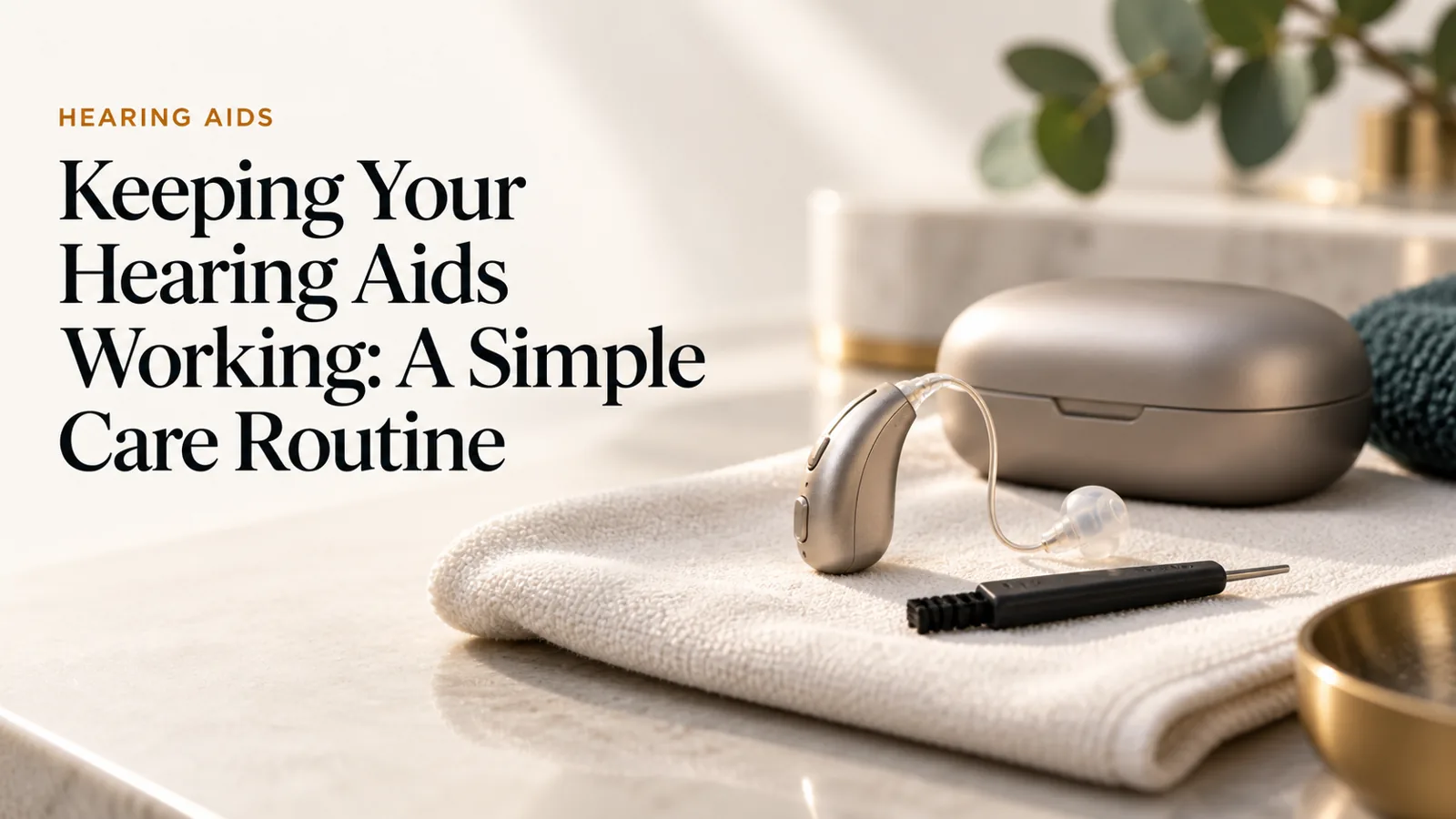
- Wipe them down daily. A soft, dry cloth or tissue at the end of the day clears away sweat and moisture before it can settle.
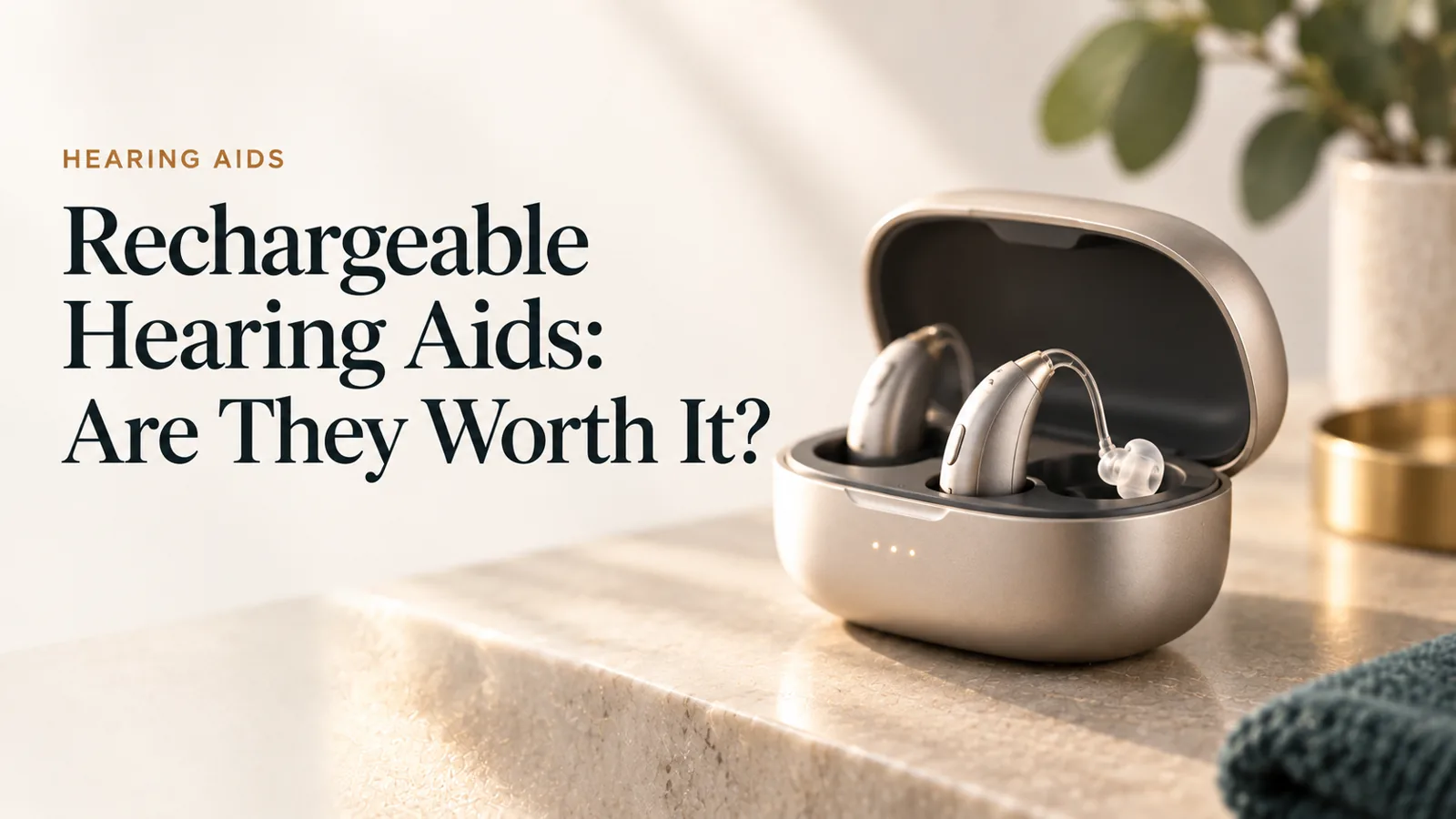
- Dry them overnight. Open the battery door, or sit rechargeables in their charger, and if you have one use a drying pot or electronic dehumidifier. It draws out moisture you cannot see.
- Take a break when you are really sweating. During a hot walk or heavy gardening, giving your ears an hour off does no harm.
- Keep a sweatband or hat handy. If you exercise or work outdoors, wicking sweat away before it reaches the aids helps.
If you wear behind-the-ear aids, small clip-on sleeves designed to shield them from sweat are available. Ask us what suits your particular hearing aids and we will point you in the right direction.
Can I swim or shower with my hearing aids in?
As a rule, no. Unless your aids are specifically sold as waterproof and you have been told they are safe for swimming, take them out before you get into a pool, the sea, the bath or the shower. Chlorine and salt water are particularly unkind to the electronics and can damage the casing over time.
A sensible routine on holiday is to remove your aids, pop them somewhere dry and shaded rather than on a hot poolside table, and put them back in once you have towelled off. If you would love to hear while you swim, waterproof options do exist, and it is worth a chat before you book your trip rather than after.
What should I pack for a holiday?
A little planning saves a lot of frustration when you are away from home:
- Spare batteries, or your charger and the right travel adapter. Rechargeable aids are no use abroad without a way to plug in.
- Your drying pot or dehumidifier, especially if you are going somewhere humid.
- Cleaning tools and any wax guards or filters you use, so a blocked aid does not spoil the week.
- A hard case to protect them in your bag, and to stop them ending up on a hot dashboard.
Keep hearing aids out of direct sun, and never leave them in a parked car. One small thing worth remembering: put your aids in after sun cream and insect repellent, and let your hands dry, as these can clog the microphones and vents.
What if they get wet or stop working?
If your hearing aids take an unexpected soaking, switch them off, open the battery door and dry them gently with a cloth. Leave them somewhere warm and airy, or in a drying pot, for several hours. Never use a hairdryer, microwave or oven, as direct heat does more harm than the water did.
If they still will not work, or sound muffled and crackly, bring them in. We service and repair hearing aids from all the major brands, not only the ones we fitted, and a quick look often sorts a problem you might otherwise have written off. It is also a good moment to check your ears are clear, since a summer of swimming can push wax further in, and our gentle microsuction wax removal is a comfortable way to deal with that.
Getting the most from your hearing aids all year round starts with the right fit and honest advice. To sort a summer problem or simply have your aids checked over, book a hearing-aid consultation online or call our Wickersley clinic on 01709 437250.