

Hearing loss rarely arrives all at once. For most adults it creeps in so slowly that the world just gets a little quieter over the years, and by the time you notice, you have usually been missing bits and pieces for longer than you realise.
That slow start is exactly why so many people put it off. The good news is that acting sooner rather than later makes a genuine difference, and it does not always mean hearing aids. Here is why early help is worth it, explained plainly.
Why does hearing loss so often go unnoticed?
Age-related hearing loss tends to affect the higher pitches first, and those higher pitches carry a lot of the detail in speech. So rather than everything sounding quieter, voices start to sound mumbled or unclear, especially in a busy pub or a room with the telly on.
A few things make it easy to miss:
- The consonants that give words their clarity (sounds like s, t, f and th) fade before the vowels, so people seem to mumble rather than speak too softly.
- It usually affects both ears at a similar rate, so there is no obvious "bad ear" to raise the alarm.
- Your brain is very good at filling in the gaps, which quietly masks the problem for a while.
- Family often notice first, whether it is the television volume creeping up or you asking people to repeat themselves more often.
It is also worth remembering that not every muffled patch is permanent. Sometimes it is simply a build-up of earwax, which we can clear with gentle microsuction, and your hearing is back to normal the same day.
What happens if you leave it for years?
When the ears stop sending the brain a full range of sound, the listening pathways gradually get out of practice. Audiologists sometimes call this auditory deprivation, and in plain terms it means the brain becomes less sharp at making sense of speech, even once we do help you hear it again.
The knock-on effects tend to build slowly:
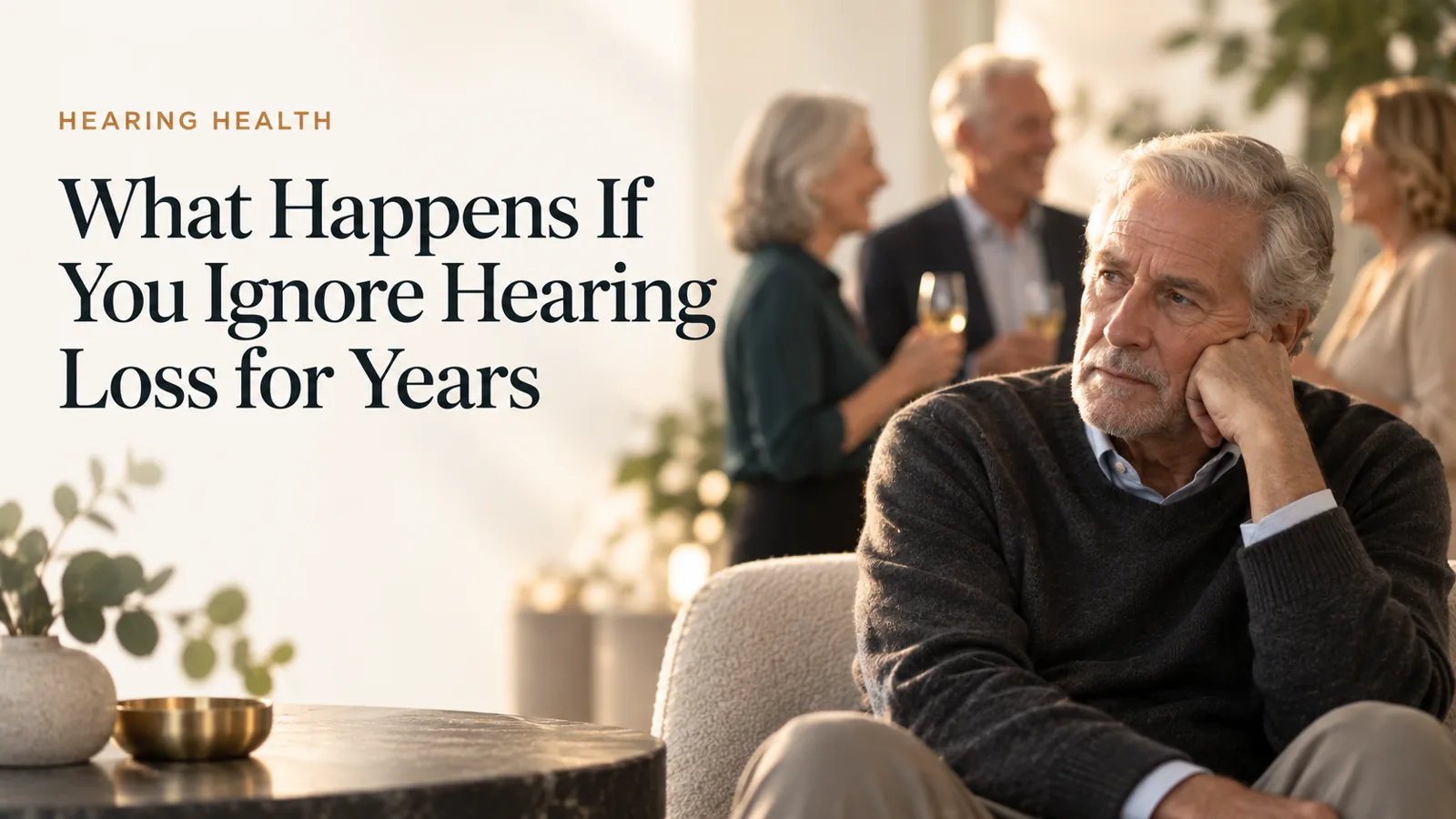
- Following conversation in company becomes tiring, so many people quietly start to avoid it.
- Listening takes so much concentration that you feel worn out by the end of the day.
- Relationships can feel the strain when "pardon?" becomes the most common word in the house.
- The longer things are left, the more adjustment it can take to get comfortable with hearing aids later on.
None of this is meant to alarm you. It is simply that the ears and the brain work as a team, and keeping that team in practice is easier than rebuilding it after a long gap. You can read more about the different types and causes on our hearing loss page.
Is hearing loss really linked to brain health?
This is one people ask about a lot, usually after seeing a headline. The honest answer is that research increasingly links untreated hearing loss in mid-life with a higher risk of cognitive decline, and it is now widely recognised as one of the risk factors we may be able to do something about.
That does not mean hearing loss causes dementia, or that treating it is a guarantee of anything. The leading thinking is that when hearing is a constant struggle, the brain has to work harder and people tend to socialise less, and both of those are things we would rather avoid. Looking after your hearing is a sensible, low-risk step that supports staying active and connected, and that matters at any age.
Does acting early always mean hearing aids?
Not at all, and we will always tell you honestly if you do not need them yet. An early check often ends with reassurance, some practical advice, or a simple wax removal rather than a recommendation to buy anything.
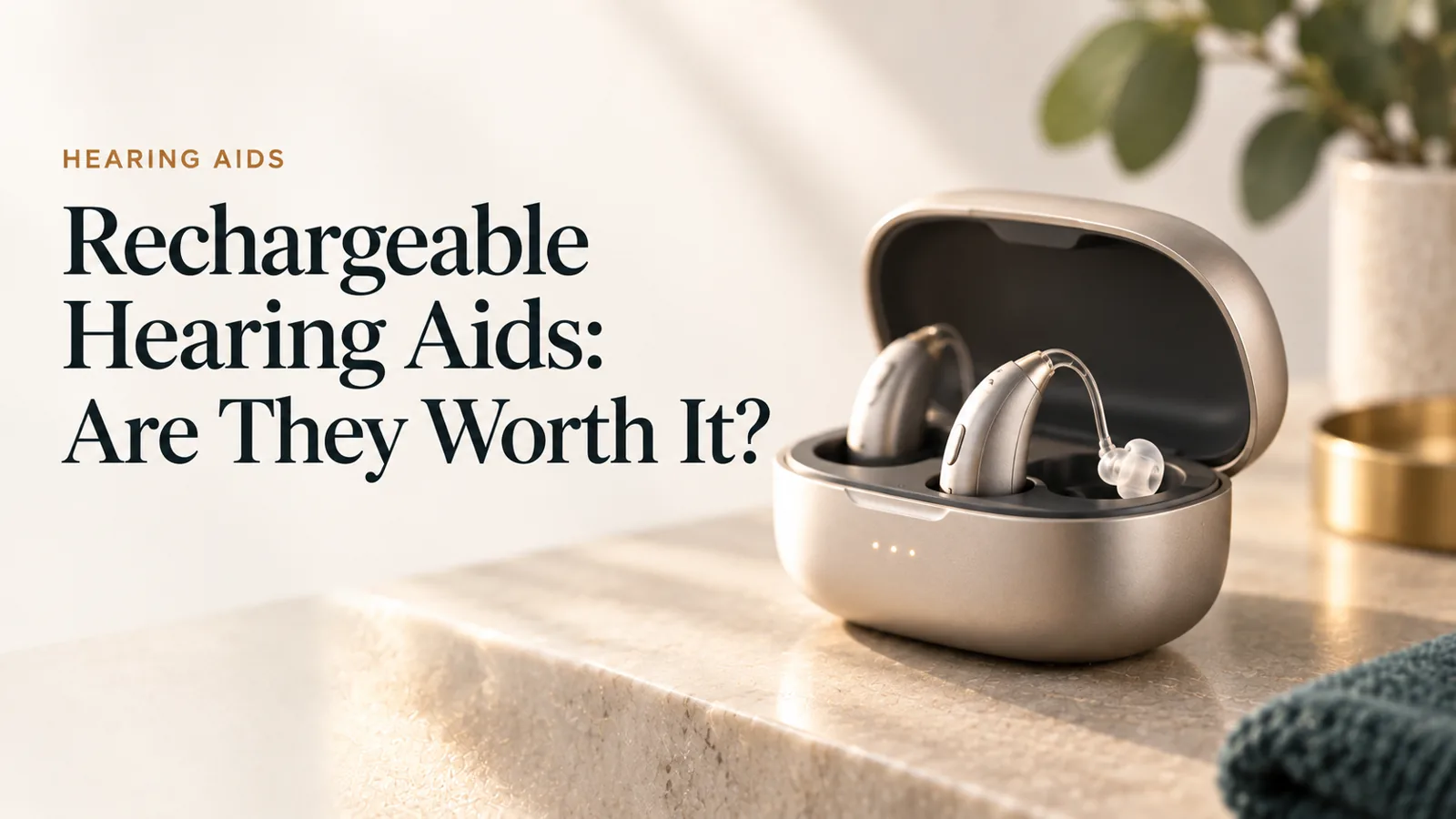
When hearing aids are the right call, catching things early tends to make the whole experience smoother. Modern aids are small and discreet, and because your brain has not had years to get out of practice, most people settle in far more quickly. As an independent, family-run clinic we fit all seven leading brands (Widex, Phonak, Signia, Starkey, Oticon, ReSound and Unitron), so our advice is based on your ears and your lifestyle, never a sales target. You can see how modern hearing aids work and what suits different needs on our dedicated page.
When should I get my hearing checked?
A good rule of thumb is: if you or the people around you have started to wonder, it is worth checking. In particular, book in if you notice you are:
- Turning the television up louder than others would like.
- Struggling to follow conversation when there is background noise.
- Asking people to repeat themselves, or often mishearing words.
- Feeling drained after social occasions from the effort of keeping up.
If you are not quite ready to come in, our free online hearing check is a quick, private way to get a first idea of where you stand. And if you would like a proper look, a full hearing test with us is free and unhurried, and you can see exactly what happens on our first visit page before you commit to anything.
There is rarely any harm in checking early and plenty to gain. When you are ready, book a free hearing test or give the clinic a call on 01709 437250. We are always happy to talk things through first.